
The Origins of Regency Homes
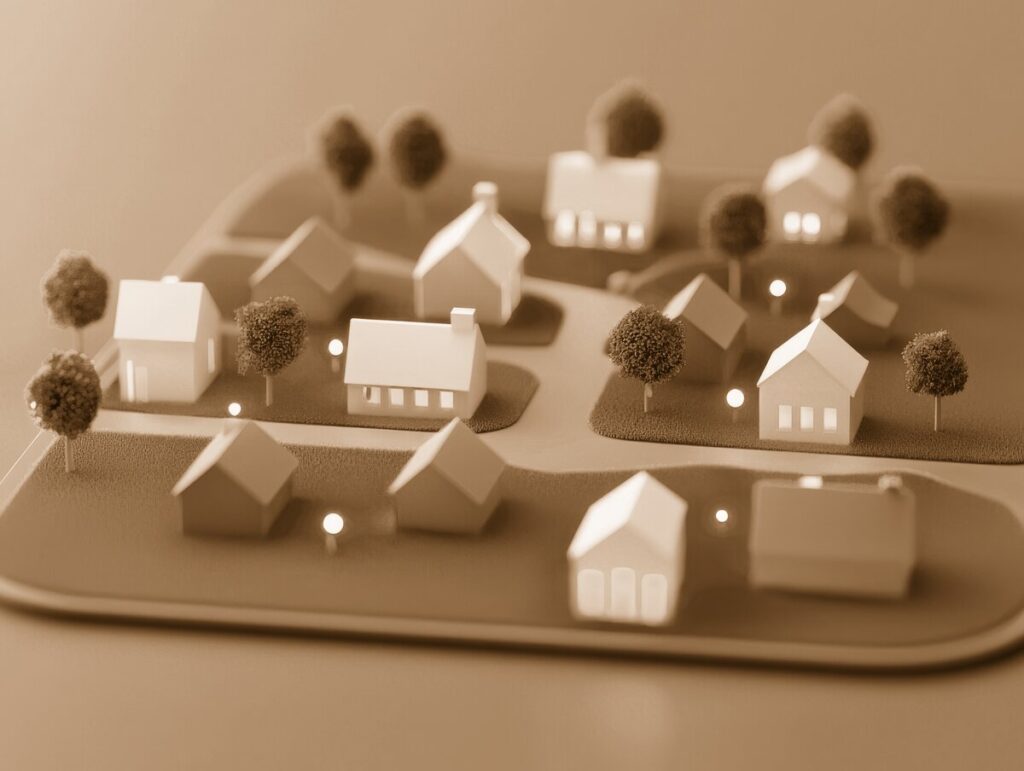
Nestled in the heart of Omaha, Regency Homes stands as a proud testament to the city’s commitment to creating communities that blend sophistication and warmth. Developed in the early 1970s, Regency Homes was envisioned as a distinctive residential enclave that would set new standards for comfort and aesthetics in west Omaha. Its name, “Regency,” nods to both the architectural inspiration of the Regency period and an ambition to offer elegance and refinement to its residents.
Before this land was transformed, the area consisted of rolling prairies and pockets of woodland, typical of eastern Nebraska’s calm natural landscape. The visionaries behind Regency Homes—local developers inspired by trends in suburban development across the Midwest—sought to convert this tranquil expanse into a neighborhood where families could flourish amid carefully planned streets, trails, and green spaces.
How Regency Got Its Name
Regency Homes owes its name not only to its aspirational style but also to its flagship development: Regency. In the 1970s, the idea of “planned communities” was spreading across the country, promising a blend of convenience, beauty, and amenities. Regency was designed from the outset to be more than a collection of houses; it would be a neighborhood in the truest sense—its moniker selected to evoke a sense of distinction and continuity.
The name’s historical resonance matched the community’s design, featuring distinctive brick homes, gently curving streets, and lush landscaping. This thematic approach created a unified yet diverse suburb, seamlessly blending various architectural influences while remaining firmly rooted in the welcoming ethos of the Midwest.
Key Historical Milestones
- 1971-1975: The neighborhood’s initial phases were constructed, anchored by Regency Parkway, the community’s elegant thoroughfare. The Regency Lake and Tennis Club, one of Omaha’s first private swim and tennis facilities, was established to become both a neighborhood hub and a symbol of the area’s active, family-focused lifestyle.
- Late 1970s: Development extended north and south, encompassing streets like Harney Parkway South and varying residential enclaves—from gracious single-family homes to stately townhouses.
- 1980s: The Flourishing of Regency Shopping Center. With the opening of The Regency Court in 1982, upscale retailers and beloved local businesses, such as Borsheims Fine Jewelry and Schmitt Music, became central to the Regency lifestyle.
- 1990s-2000s: Regency continued to evolve, modernizing amenities and focusing on beautifying parks, like Regency Park—complete with its picturesque pond, mature trees, and winding walking paths.
- 2010s-Present: The neighborhood renewed its commitment to community engagement, sustainability, and inclusiveness, while maintaining its classic appeal.
Notable Landmarks and Institutions
- Regency Lake and Tennis Club: A premier private club, the Lake and Tennis Club has functioned as the neighborhood’s beating heart since its start. Not only a gathering place for swim meets and tennis tournaments, but the club also hosts summer cookouts, holiday celebrations, and youth camps—helping neighbors become good friends.
- Regency Park: Tucked along Regency Parkway, Regency Park offers a peaceful retreat with its pond, winding walkway, and picnic areas. Colorful geese and ducks are frequent guests, and in every season, the park serves as a backdrop for family photos, catch games, or simple evening strolls.
- Regency Court: This boutique shopping center is a Regency mainstay, pairing local flair with national luxury brands. Anchored by Borsheims, a Nebraska institution since 1870, Regency Court provides not just shopping but also gathering spots like Paradise Bakery for a morning coffee or lunch with friends.
- Streetscapes and Architecture: Regency is famous for its broad, tree-lined boulevards—especially along Regency Parkway and Harney Parkway South. The homes display a harmonious blend of classic brickwork, modern lines, and meticulously landscaped yards.
How Regency Homes Has Evolved Over the Decades
Despite the many changes Omaha has witnessed, Regency Homes has retained its unique sense of place. Here’s how the neighborhood has grown and adapted, decade after decade:
- Diversity in Housing: Once dominated by sprawling ranches and two-story family homes, Regency now includes elegant townhomes and patio houses, meeting the needs of new generations—young professionals, families, and retirees alike.
- Connectivity and Community Events: Walking paths linking Regency Park, the Lake and Tennis Club, and local schools foster a close-knit community spirit. Annual block parties, Halloween parades, and holiday light displays bring residents together.
- Institutional Anchors: While Regency has always valued accessibility to the city, it’s also nurtured a self-contained spirit. Schools, like Swanson Elementary just to the north, and cultural attractions, such as the nearby Omaha Community Playhouse, tie the neighborhood to the wider city fabric.
- Sustainability and Beautification: Over the past decade, neighborhood associations have invested in new landscaping, environmentally friendly planting, and upgrades to park paths—ensuring Regency remains as beautiful for future residents as it was for its founders.
Why Regency Homes Feels Like Home
While trends in architecture, business, and even city boundaries shift, Regency Homes’ core mission has not changed: to be a place where people care about their homes and their neighbors.
Perhaps it’s the sight of neighbors waving from driveways on Regency Parkway, the laughter of children at play in Regency Park, or the smell of backyard barbecues wafting through the summer air. Maybe it’s the blend of tradition and openness, the welcoming attitude that draws newcomers yet honors the generations who have called this place home.
Longtime residents know that Regency Homes is special not just for its polished appearance or convenient location, but for the memories made here—morning walks by the pond, tennis with friends, or sunset chats on front porches. In a city that’s always growing, Regency remains a reminder that some of Omaha’s best qualities—camaraderie, beauty, and pride of place—never go out of style.